DAHHAR Work
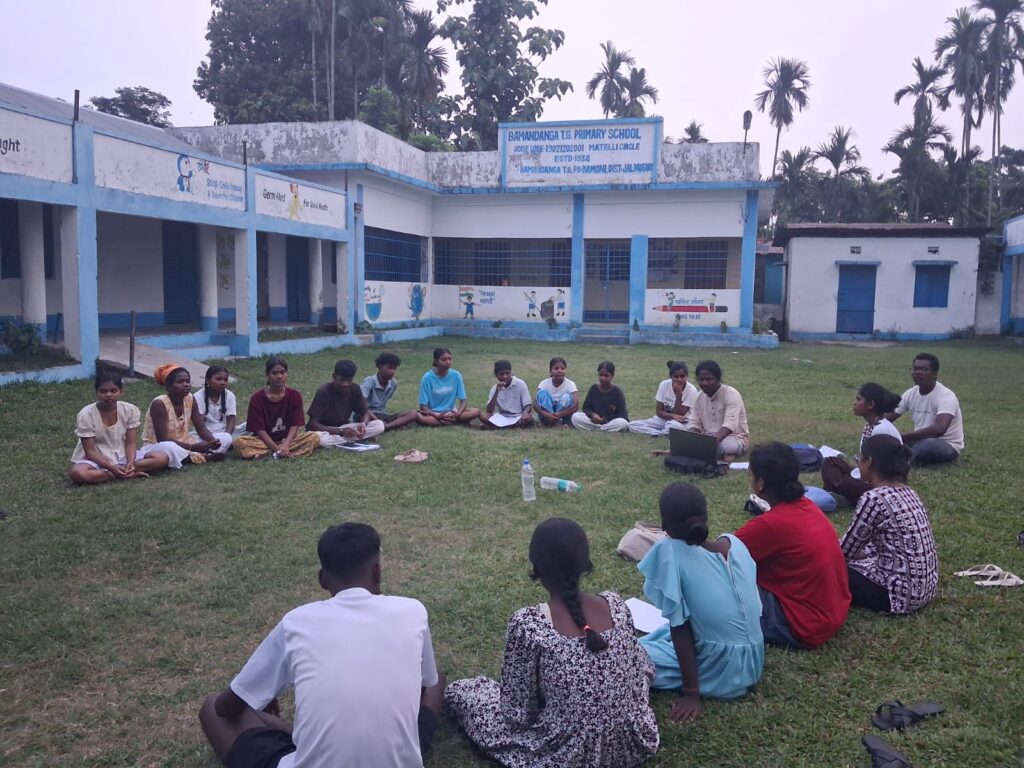
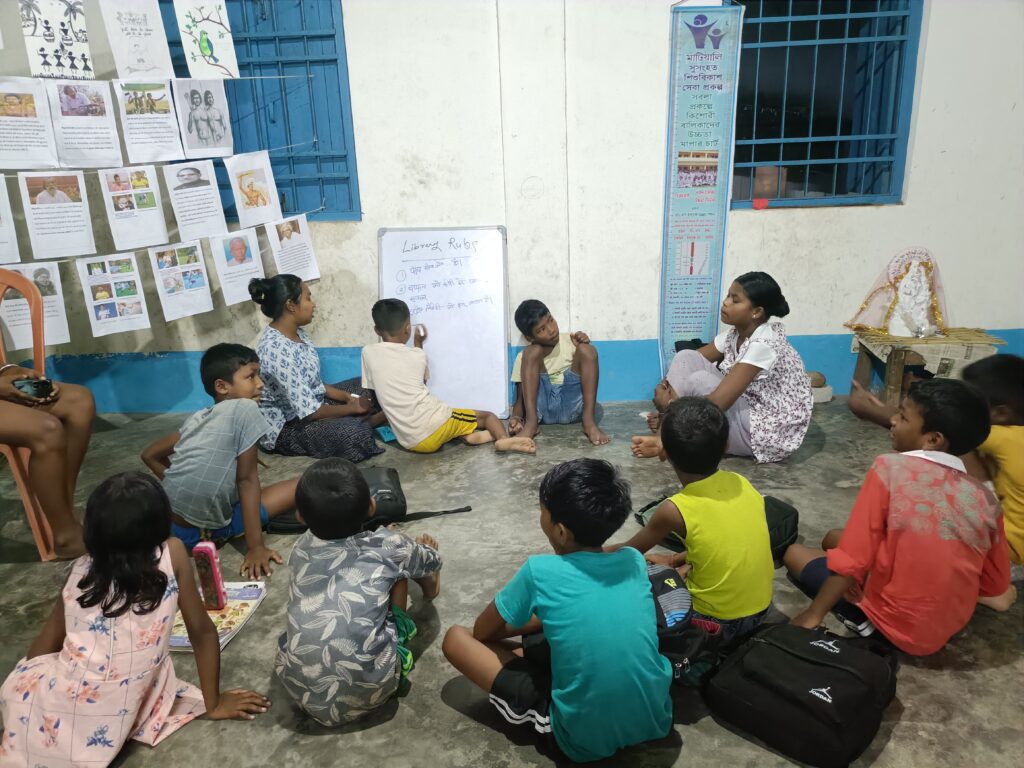
Akhra for education
Akhra is a tribal word commonly used for a place where tribal gatherings happen for various purposes: educational learning and opportunity, discussion, and get to gather celebration of tribal fest. Similarly, we are establishing akhra as a safe, inclusive, and engaging environment where children can learn beyond textbooks. It promotes experiential learning through activities such as read-aloud sessions, storytelling, peer teaching, creative writing, theatre, art, and games. The space encourages children to express themselves freely, build confidence, and develop a love for learning. At the same time, Akhra preserves tribal oral traditions by integrating local stories, songs, and cultural practices into everyday learning. The goal is not only to improve academic understanding but also to nurture identity, emotional well-being, and aspirations to continue education.
Dhumkuria for Higher Education
Dhumkuria, inspired by traditional tribal youth dormitories, acts as a support system for older students. It provides mentorship, guidance, and a platform for discussion on education, careers, and social issues. It encourages youth leadership, peer learning, and community responsibility, helping young people transition from schooling to higher education and meaningful livelihoods.
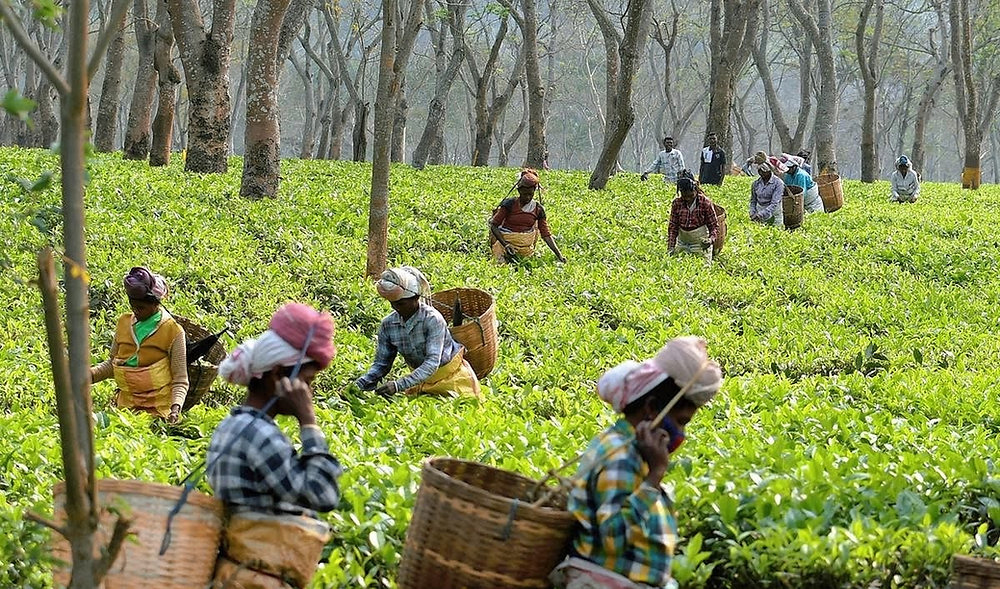
Together, Akhra and Dhumkuria create a continuum of learning, from childhood to youth, grounded in culture and driven by community participation. They represent a holistic approach to education where knowledge, identity, and aspiration grow together, ensuring that children and youth from tea garden communities are empowered to shape their own futures with dignity and confidence.
Disaster Response
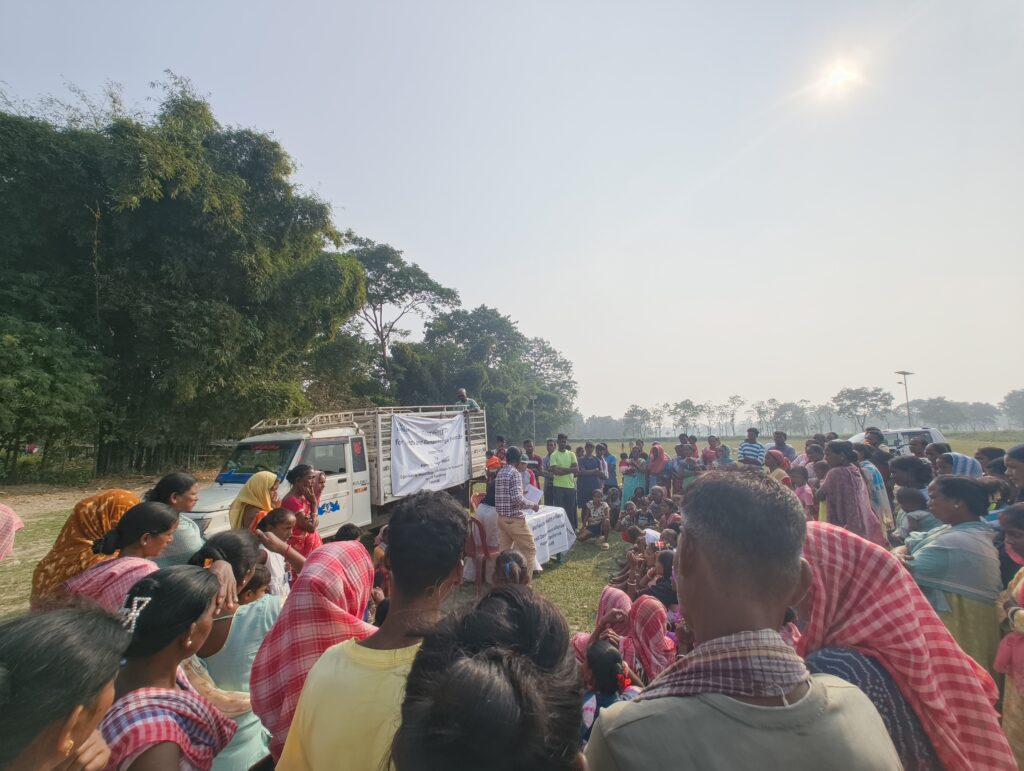
DAHHAR has also played a pivotal role during the flood that occurred in October 2025, when around 2,000 families were impacted. Many families lost their homes, belongings, and even lives, and several students lost their study materials.
With the support of Mariwala Foundation, DAHHAR was able to assist more than 379 households by conducting impact assessment surveys and providing nutrition materials for Pregnant women and children, health and hygiene kits. Additionally, students were supported with essential learning materials such as books, bags, and stationery.
Working toward coexistence
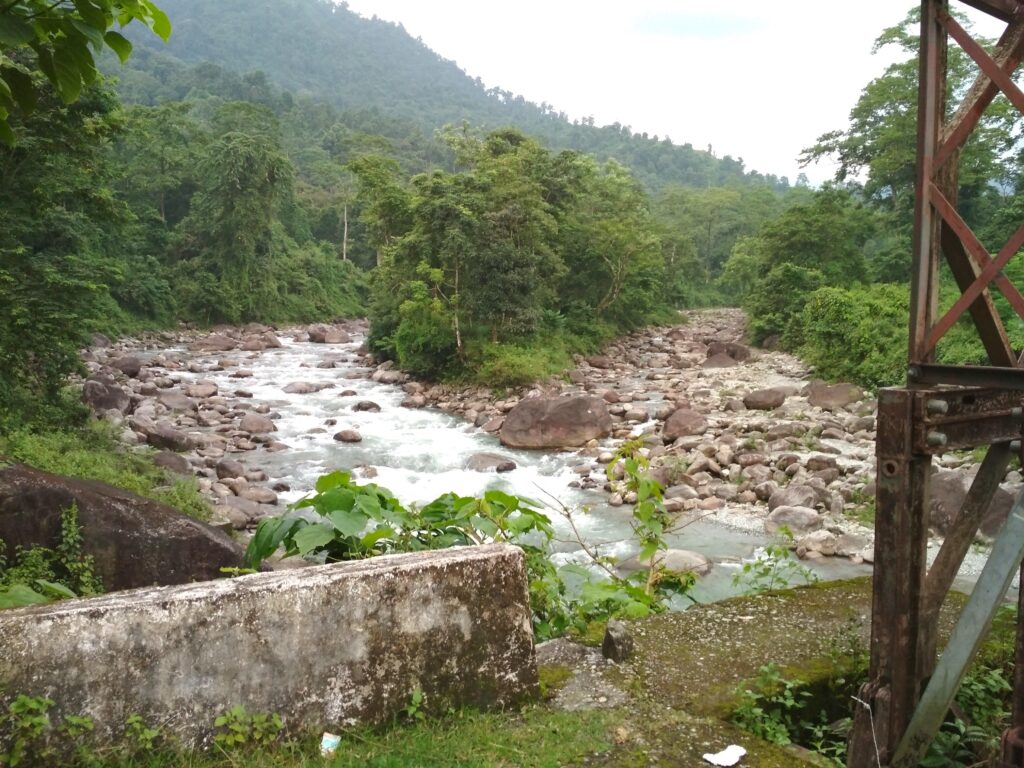
DAHHAR is working to create a space of co-existence between humans and wildlife by promoting awareness and sustainable practices within communities. While there are traditional practices among Adivasi communities of cultivating extra or surplus crops for elephants, DAHHAR aims to strengthen and systematise these efforts to reduce conflict and ensure long-term coexistence.
To avoid direct human-wildlife contact and promote sustainability, DAHHAR engages closely with the community to develop practical solutions. This includes empowering and encouraging the idea of surplus cultivation along boundary areas, so that wildlife can access food without entering human settlements. Through such initiatives, DAHHAR supports both community livelihoods and ecological balance.
Community Engagement
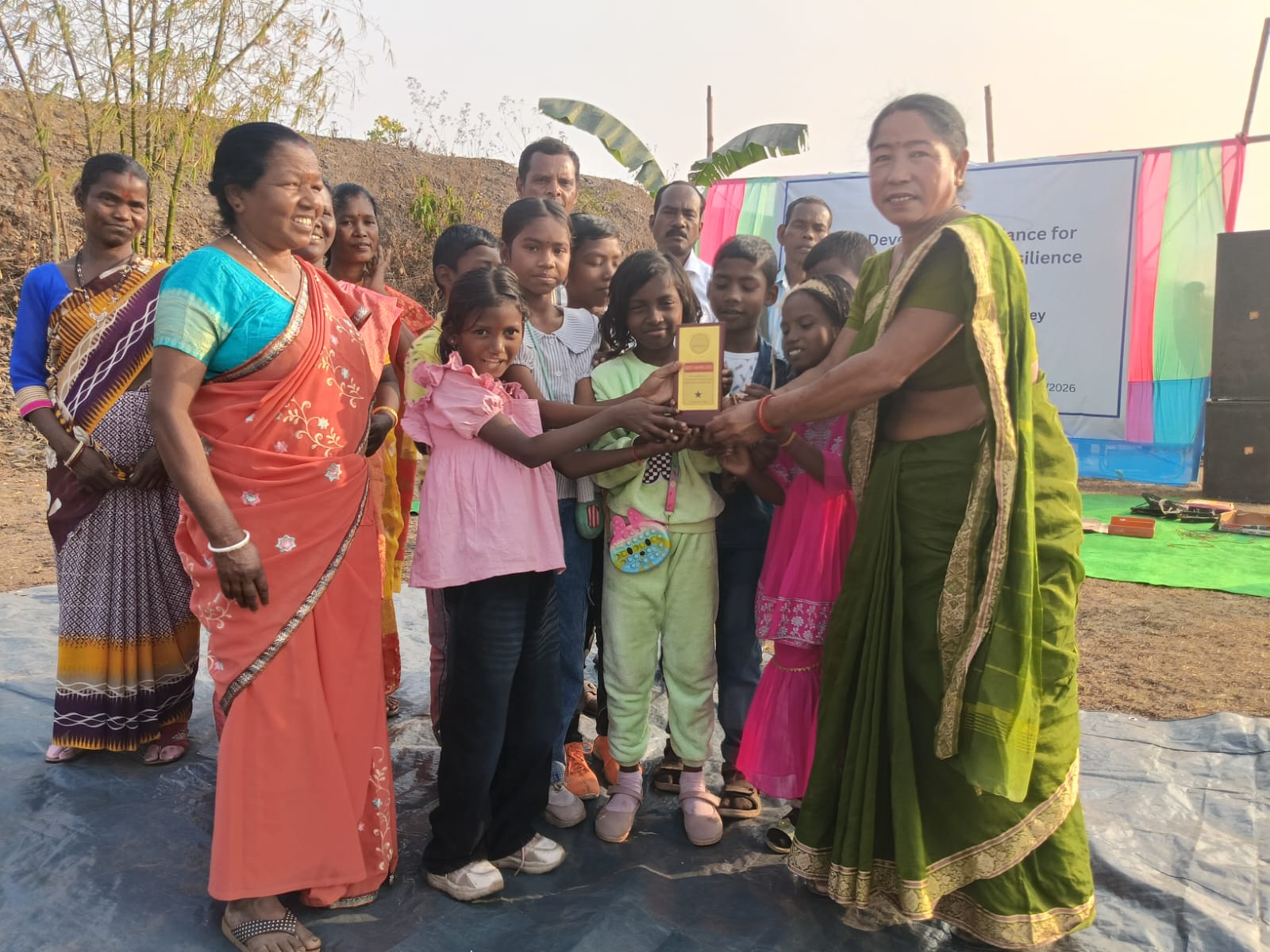
Community engagement is central to DAHHAR’s work, reflected through its events and collective spaces. The Annual Get-Together brings together students, parents, and community leaders (Aguwas) to celebrate achievements, share experiences, and strengthen bonds. Activities such as cultural performances, student presentations, exhibitions, and awards for best Akhras foster motivation and collective pride. DAHHAR also organises events such as Indigenous Day and Birsa Jayanti, promoting awareness of tribal culture and its contemporary relevance. These initiatives create spaces for learning, dialogue, and reflection. By actively involving parents, students, and stakeholders, DAHHAR ensures that its engagement remains inclusive, participatory, and connected to both cultural roots and future aspirations.
Career guidance/ Orientation
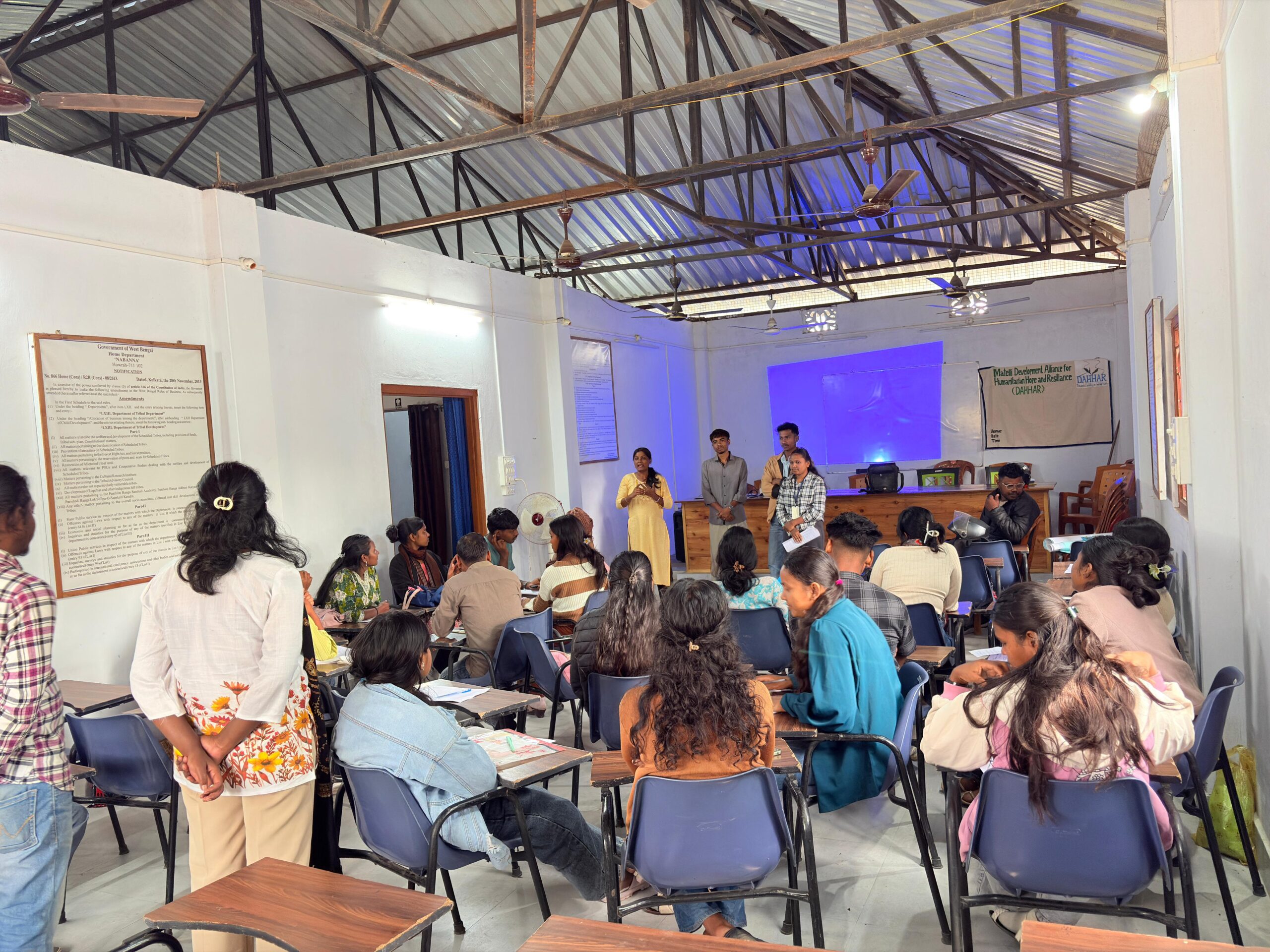
The DAHHAR orientation program aimed to motivate students to pursue higher education by addressing key information gaps. It introduced participants to university options, entrance exams like CUET, scholarships, and diverse career pathways. Through interactive sessions and discussions, students explored opportunities beyond their immediate surroundings.
Personal stories shared by team members helped build confidence among first-generation learners, showing that background does not limit access to education. The program also highlighted the importance of timely applications, exam preparation, and informed decision-making. Students actively engaged and reflected on education’s role in improving their future and community well-being, with continued mentorship support from DAHHAR.